
Understanding psychological triggers in casino gambling behavior
The Influence of Emotion on Gambling Choices
Emotions play a significant role in decision-making, particularly in the high-stakes environment of casinos. Gamblers often find themselves driven by feelings such as excitement, anxiety, and even despair, which can lead to impulsive behavior. For instance, the thrill of winning can create a euphoric state that encourages further betting, while losses may provoke frustration that results in chasing losses. Engaging with non gamstop casinos uk may amplify these emotions, further complicating their decisions. Understanding how emotions influence gambling behavior can help in developing strategies to mitigate their impact.

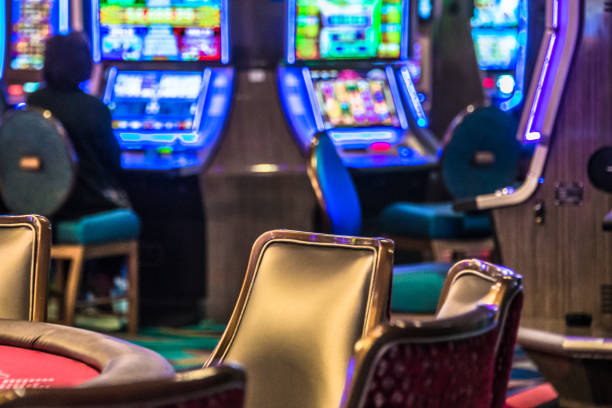
Furthermore, casinos are designed to amplify these emotional triggers. Bright lights, loud sounds, and celebratory atmospheres all contribute to a heightened sense of excitement. This sensory overload can impair judgment, making it harder for players to recognize when they should stop gambling. By recognizing these emotional triggers, players can learn to manage their responses more effectively and make more rational decisions.
The Role of Cognitive Biases in Gambling
Cognitive biases are systematic patterns of deviation from norm or rationality in judgment, and they play a pivotal role in gambling behavior. One common bias is the illusion of control, where gamblers believe they can influence the outcome of a game purely based on skill, even in games primarily governed by chance. This belief can lead to increased risk-taking and a higher likelihood of sustained gambling despite unfavorable odds.
Another prevalent cognitive bias is the gambler’s fallacy, the mistaken belief that past events can influence future outcomes in random events. For instance, a player might think that because a particular slot machine hasn’t paid out recently, it is “due” for a win. These biases can cloud judgment and lead to poor decision-making, making awareness and education essential for responsible gambling.
Social Influences and Gambling Behavior
Social dynamics also play a crucial role in gambling. The presence of others can affect an individual’s betting behavior, often leading to a phenomenon known as peer influence. When gambling in a social setting, individuals may feel compelled to conform to the behaviors of their peers, whether that means betting larger amounts or participating in certain games. This social pressure can heighten the experience and often lead to riskier choices.
Moreover, casinos foster a sense of community and belonging, which can be appealing. Many gamblers may find themselves returning not only for the games but also for the social interactions that occur. This combination of social and psychological triggers can make it challenging for individuals to maintain control over their gambling habits.
Understanding the Role of Luck vs. Skill
The debate between luck and skill in gambling is another psychological trigger that affects behavior. While certain games, such as poker, involve a degree of skill, many casino games are primarily luck-based. Gamblers often overestimate their skill in these games, leading to an illusion that their success is due to their abilities rather than chance. This misperception can encourage continued play, even when the odds are not favorable.
The allure of skill-based games can also lead players to develop strategies that, while possibly effective, may not significantly alter the game’s inherent randomness. Understanding the true nature of luck and skill can help gamblers make more informed decisions and reduce the risk of developing unhealthy gambling behaviors.
Our Commitment to Responsible Gambling
At our website, we prioritize promoting responsible gambling practices. We understand the complex psychological triggers that influence gambling behavior and are dedicated to providing resources that educate our users. By raising awareness about emotional, cognitive, and social factors, we aim to empower individuals to make informed choices about their gambling activities.
Our goal is to create a safe environment where users can enjoy gaming responsibly. We encourage open discussions about gambling behaviors and provide support for those who may struggle with addiction. By fostering a culture of awareness and responsibility, we hope to contribute positively to the gambling community.